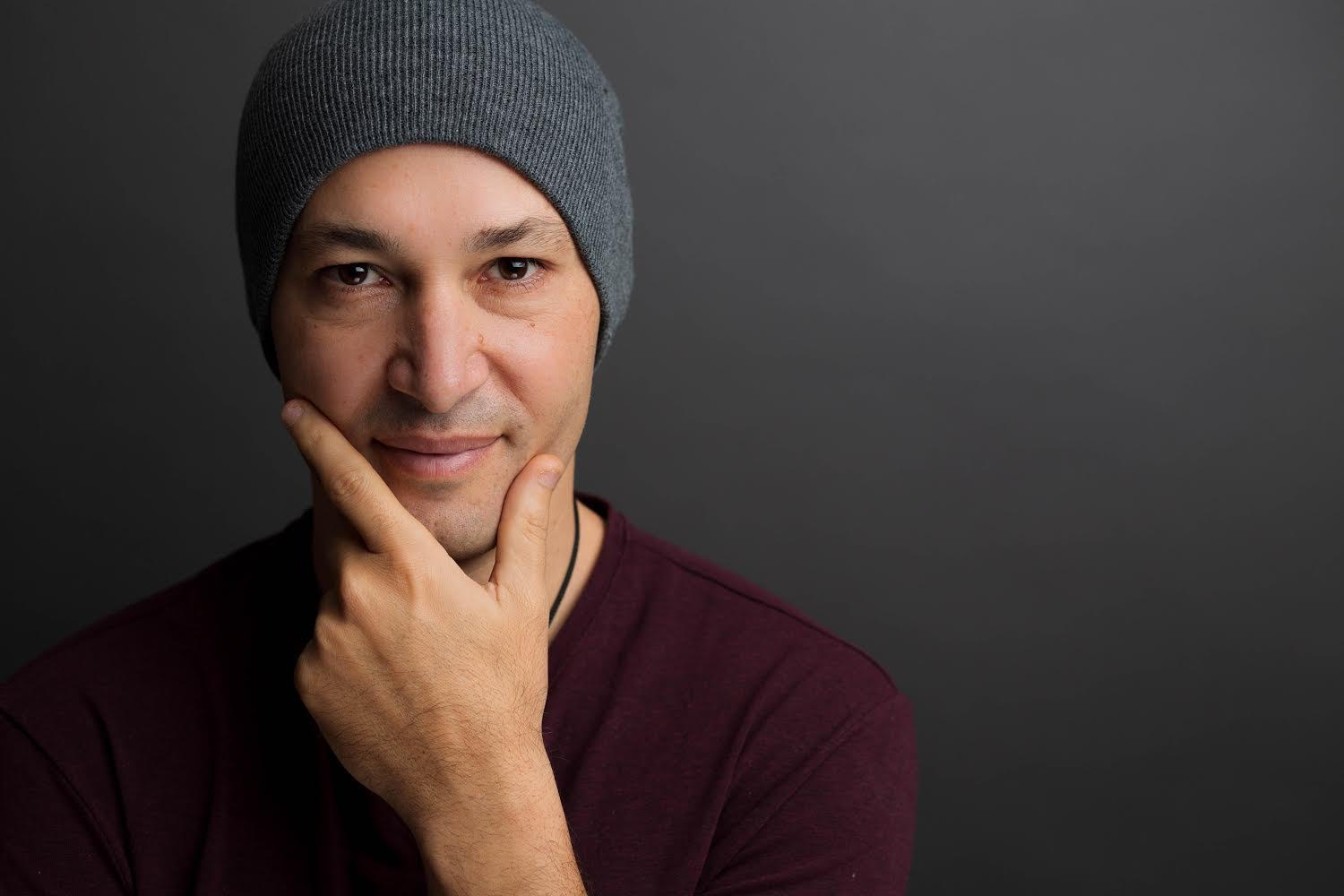

Unlearning anxiety is the gentle practice of releasing the old beliefs and fear patterns that keep your body in survival mode. Listen to the podcast below now to discover how daily unlearning can help you rewire your mind and feel safe again, and enjoy.
Unlearning Anxiety: The Missing Key to Real Healing
Most people think healing anxiety means learning new techniques, mastering coping skills, or filling their day with routines that help them “manage” the fear. But what if recovery isn’t about adding more, what if it’s about unlearning what was never yours to begin with?

Unlearning anxiety is the gentle art of letting go of everything your mind and body absorbed in the name of safety. It’s realizing that anxiety isn’t your true nature, it’s a collection of beliefs, habits, and emotional memories that once protected you, but no longer serve you today.
The Weight of Yesterday
Every morning, the mind tries to convince us that today is just a repeat of yesterday. The same thoughts, the same fears, the same patterns of control. And when you wake up already bracing for the next panic wave or symptom, your body never gets the message that the danger has passed.
Unlearning anxiety means reminding yourself:
“Today is not yesterday.”
It means understanding that your nervous system learned to stay on guard because at some point in your life — maybe childhood, maybe during trauma, maybe after years of stress, being relaxed didn’t feel safe.
The body learned that stillness meant vulnerability.
So it kept you busy, scanning, thinking, preparing.
And that survival state became your normal.
But today, you have awareness. You have tools. And that means you have the ability to unlearn.
The Conditioning Behind Anxiety
Think of anxiety as learned conditioning, a well-worn path in the brain that connects sensation to danger.
Every time a certain thought or physical feeling appears, the brain assumes, “I know this! This means something bad is coming.”
Unlearning anxiety begins by seeing that reflex for what it is: a memory, not a truth.
When you start noticing the pattern without judging it, you begin to rewire the nervous system through awareness. Each moment you pause instead of react, each time you breathe through the discomfort instead of escaping it, you’re showing your body that life can be handled differently.
That’s the power of unlearning, it’s not about fighting fear; it’s about teaching your system that it doesn’t need to fight anymore.
The Role of Identity
One of the hardest parts of unlearning anxiety is realizing how much of our identity is built around fear.
“I’m the anxious one.”
“I’m the worrier.”
“I’m the one who overthinks everything.”
We wear these labels for so long that they start to feel like truth. But they’re not who you are, they’re who you became when the world felt unpredictable.
The practice of daily unlearning asks:
“Who am I without my fear story?”
That’s not an easy question. Because stepping away from those identities can feel like losing control. But it’s actually freedom, the space where your authentic self finally has room to breathe again.
Awareness Over Effort
Many people think healing requires intense effort.
They push, analyze, monitor, and measure every step.
But the nervous system doesn’t relax under pressure — it relaxes under permission.
Unlearning anxiety is about replacing control with awareness. It’s saying, “I don’t need to fix this right now. I just need to notice what’s happening.” That simple shift changes everything.
Because awareness sends a new message to your brain:
“We’re safe enough to observe instead of defend.”
Over time, that message rewires your entire stress response. You begin to feel moments of calm not because you forced them, but because your body finally believes they’re allowed.
The Body’s Role in Unlearning
Your mind isn’t the only one that learned fear, your body did too. Muscle tension, shallow breathing, chest tightness, racing heart — these are the body’s learned safety mechanisms. They’re not signs of danger; they’re echoes of old survival strategies.
Every time you meet those sensations with compassion instead of fear, you unlearn another layer. You teach your body that it’s okay to feel without reacting.
So next time your chest tightens or your heart speeds up, try this: Place a hand over your heart and say,
“This is just energy moving through. I don’t have to be afraid of it.”
That’s not denial, that’s re-parenting your nervous system.
It’s giving it the message it never received: you’re safe now.
What Unlearning Anxiety Looks Like in Daily Life
It’s not about perfection.
It’s about tiny, real-world moments where you choose awareness instead of automatic reaction.
-
You wake up and take one deep breath before the mind rushes in, that’s unlearning.
-
You notice a fear thought and don’t chase it, that’s unlearning.
-
You feel tension rise and meet it with curiosity instead of panic, that’s unlearning.
-
You rest when your body asks for it, without guilt, that’s unlearning too.
Every small act of gentleness rewires a lifetime of vigilance. That’s how you create safety: not through control, but through consistent presence.
From Trying to Trusting
The longer we live in anxiety, the more we believe safety equals control.
“If I can just think enough, prepare enough, prevent enough…”
But that belief is the very thing keeping your system stuck.
Unlearning anxiety is about moving from trying to trusting.
Trusting that you can handle what comes.
Trusting that peace isn’t the absence of challenges, it’s the confidence that you’ll meet them differently.
Trusting that your nervous system can learn a new rhythm of safety.
When you stop trying so hard to prevent the worst, you finally make space to experience the best.
The Power of Gentle Consistency
Healing through unlearning doesn’t happen in a single breakthrough. It happens slowly, quietly, through gentle repetition. Every moment of awareness tells your system, “We don’t live in danger anymore.” And eventually, your body starts to believe it.
That’s when you begin to feel lighter.
Calmer.
More yourself.
Unlearning anxiety is a lifelong relationship with presence.
Not a goal, a practice.
A reminder that peace isn’t something you achieve; it’s something you remember.
Listen to the Full Anxiety Guy Podcast Episode
If this message resonates, I encourage you to listen to the full episode at the top of this page. In it, I share personal stories, mindset shifts, and specific ways to bring this unlearning practice into your daily life, so you can stop chasing calm and start living it.
And when you’re ready to take the next step toward deep, guided healing, explore the 12-Week Health Anxiety Recovery Program from the Programs Page. It’s where I walk with you each day through this process, helping you unlearn the fear patterns, re-train your nervous system, and rebuild trust in your body again.
Final Thought
Every breath you take in awareness is a step toward freedom.
Every time you choose understanding over resistance, you’re teaching your body a new truth:
“Calm isn’t danger anymore — it’s home.”
Keep practicing. Keep unlearning.
Your peace isn’t lost — it’s just waiting to be remembered.
The Anxiety Guy Podcast is one of the most popular mental health podcasts in the world with more than 20 million downloads alongside the Health Anxiety Podcast Show.
It has been selected as the top mental health and anxiety podcast on Apple 6 times, and has been listen as a top podcast for anxiety today on Psychology Today, Choosing Therapy, Better Help, Women’s Health, Marissa Peer and many more. To listen to any of the past episodes for free, check out this page.
Listen to all future anxiety guy podcast episodes on Spotify, Tune-in, Podbean, Podbay, Podcast Addict, Scribd, Luminary, Google Podcasts, Amazon Music, or on your favorite podcast platform. You can watch all previous anxiety guy episodes through video on YouTube here.
- Categories: Podcast