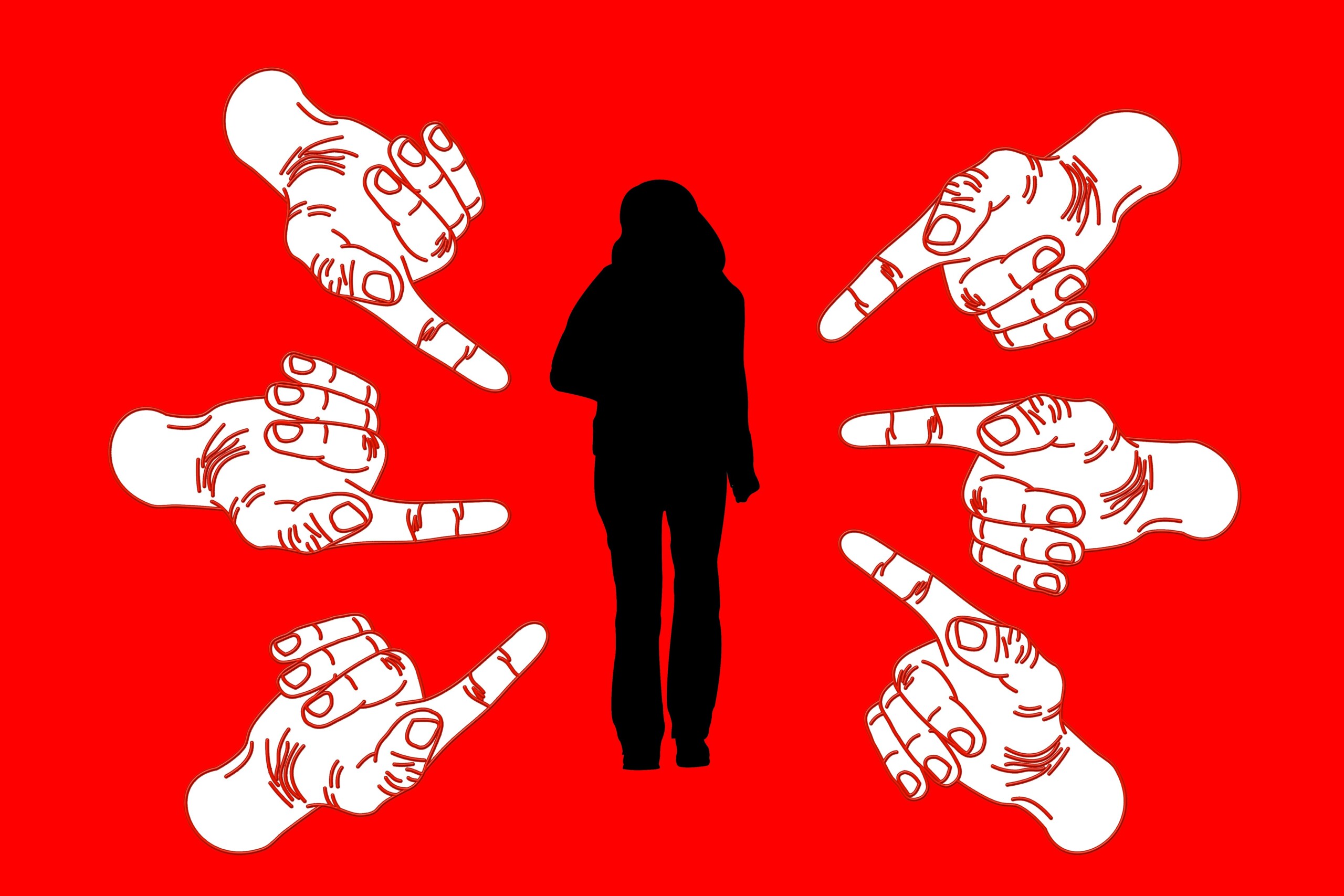
In this podcast episode (listen through the media player just above) of The Anxiety Guy Podcast Dennis Simsek explores the shame that often comes with anxiety and why it can make recovery feel even heavier.
When we judge ourselves for struggling, the nervous system receives more pressure instead of safety, which can keep the body tense, tired, and on guard. This episode is a reminder that healing begins when we stop attacking ourselves for having anxiety and begin meeting this season with more compassion, honesty, and patience.

Anxiety is already difficult enough without the added weight of shame.
The racing thoughts, physical symptoms, exhaustion, fear, uncertainty, and constant inner monitoring can take so much from a person. But what often makes anxiety even more painful is the belief that we should not be struggling in the first place. We tell ourselves we should be stronger, calmer, more present, more productive, more normal, or more like the person we used to be. This is where anxiety becomes more than an experience in the mind and body. It becomes something we start judging ourselves for having.
For many people, shame shows up quietly. It may not always sound dramatic. It may sound like, “Why can’t I just get over this?” It may sound like, “My family deserves a better version of me.” It may sound like, “I am tired of being this way.” These thoughts may feel honest in the moment, but they often come from a nervous system that is already under pressure. The inner protector believes that if it criticizes us enough, we will finally change, recover, and become safe again. But shame rarely creates safety. More often, it keeps the body braced.
This is especially true for people who have spent much of their lives being strong, responsible, helpful, or dependable.
Anxiety can feel like an identity crisis when you are used to being the one who holds everything together. Suddenly, you may feel tired, sensitive, uncertain, emotional, or unable to do the things you once did with ease. This can bring up embarrassment, frustration, and even grief for the version of yourself you feel you have lost. But anxiety does not erase who you are. It reveals that a part of you has been carrying too much for too long and is asking for a different relationship with life.
Family shame can be one of the heaviest parts of anxiety recovery.
You may feel guilty for being tired, guilty for needing space, guilty for cancelling plans, or guilty for not being fully present with your spouse, children, parents, or loved ones. You may look at the people around you and think they deserve someone better than who you are right now. But your family does not need your perfection as much as your presence. They do not need a flawless version of you. They need the honest version of you that is still here, still caring, still learning, and still healing, even if this season looks different than you hoped it would.
A lot of anxiety exhaustion also comes from pretending.
We smile when we are struggling. We say we are fine when we are overwhelmed. We try to appear normal while inside the nervous system is scanning, questioning, bracing, and preparing for another possible threat. This performance can become exhausting. Sometimes the tiredness is not only from anxiety itself. It is from carrying anxiety while also trying to hide it from everyone else. Healing often begins when we stop performing wellness and start creating a more honest inner environment.
Comparison makes this even harder.
We compare our private struggle to other people’s public moments. We see people online looking calm, happy, successful, healthy, and fully present, and then we compare those images to the anxious thoughts and sensations happening inside of us. This creates the false belief that everyone else is moving forward while we are falling behind. But we are not seeing the whole picture. We are comparing our nervous system’s most vulnerable moments to someone else’s highlight reel, and that will always make shame louder.
Shame also affects the nervous system directly because self-criticism can feel like danger. When we constantly attack ourselves internally, the body does not receive the message that it is safe. It receives the message that something is wrong, something must be fixed, and we are not okay as we are. This keeps the system activated. The body stays tense because the threat is no longer only outside of us. The threat is coming from the way we speak to ourselves inside.
This is why self compassion is not weakness. It is not giving up, making excuses, or becoming passive. Self-compassion is a healing skill. It is the ability to meet yourself honestly without turning against yourself. It is the ability to say, “This is difficult, and I can still support myself through it.” When we speak to ourselves with more patience, the nervous system begins receiving a different message. It begins to hear that we are not under attack from the outside, and we are no longer under attack from within.
Anxiety recovery is not about becoming perfect.
It is not about earning your worth back. It is not about proving to your family, your friends, or your inner critic that you are finally acceptable again. Recovery is about ending the war with yourself. It is about learning to live with more safety, honesty, and steadiness while your body and mind learn a new way of responding to life.
You can begin softening shame by no longer explaining yourself to everyone. Not everyone needs a full report of your healing process. You can begin softening shame by being more honest with safe people, reducing comparison, and celebrating the small moments where you stayed present instead of turning against yourself. A small win may be resting without guilt. It may be going for a walk while anxious. It may be letting a symptom be there without building an entire dramatic documentary around it. It may be reminding yourself that you are allowed to be in process.
Anxiety is something you are experiencing. It is not who you are. Your symptoms do not reduce your value. Your exhaustion does not mean you are weak. Your difficult season does not define your future. You are not behind, you are not failing, and you are not broken. You are healing, and healing often begins in the very ordinary moments where you choose not to shame yourself for being human.
Perhaps the next stage of your healing is not becoming less anxious.
Perhaps the next stage of your healing is becoming less ashamed. When shame begins to soften, the nervous system receives a powerful message: I am safe enough exactly as I am, while I continue to grow.
Ready for daily guidance in your anxiety recovery? Visit the anxiety guy programs page and use the code Gift30 to explore science backed anxiety recovery programs designed to help you heal anxiety, regulate your nervous system, and create a new relationship with yourself from the inside out.
The Anxiety Guy Podcast is one of the most popular mental health podcasts in the world with more than 30 million downloads alongside the Health Anxiety Podcast Show.
It has been selected as the top mental health and anxiety podcast on Apple 6 times, and has been listen as a top podcast for anxiety today on Psychology Today, Choosing Therapy, Better Help, Women’s Health, Marissa Peer and many more. To listen to any of the past episodes for free, check out this page.
Listen to all future anxiety guy podcast episodes on Spotify, Tune-in, Podbean, Podbay, Podcast Addict, Scribd, Luminary, Google Podcasts, Amazon Music, or on your favorite podcast platform. You can watch all previous anxiety guy episodes through video on YouTube here.
- Categories: Podcast